
Metropolitan Building Approvals
Solar and Battery Storage Certification NSW
Assess feasibility before installing or expanding commercial solar PV or battery storage. Match the pathway to the site, equipment and operating purpose, with clear documentation and coordinated consultant input for a streamlined certification process.
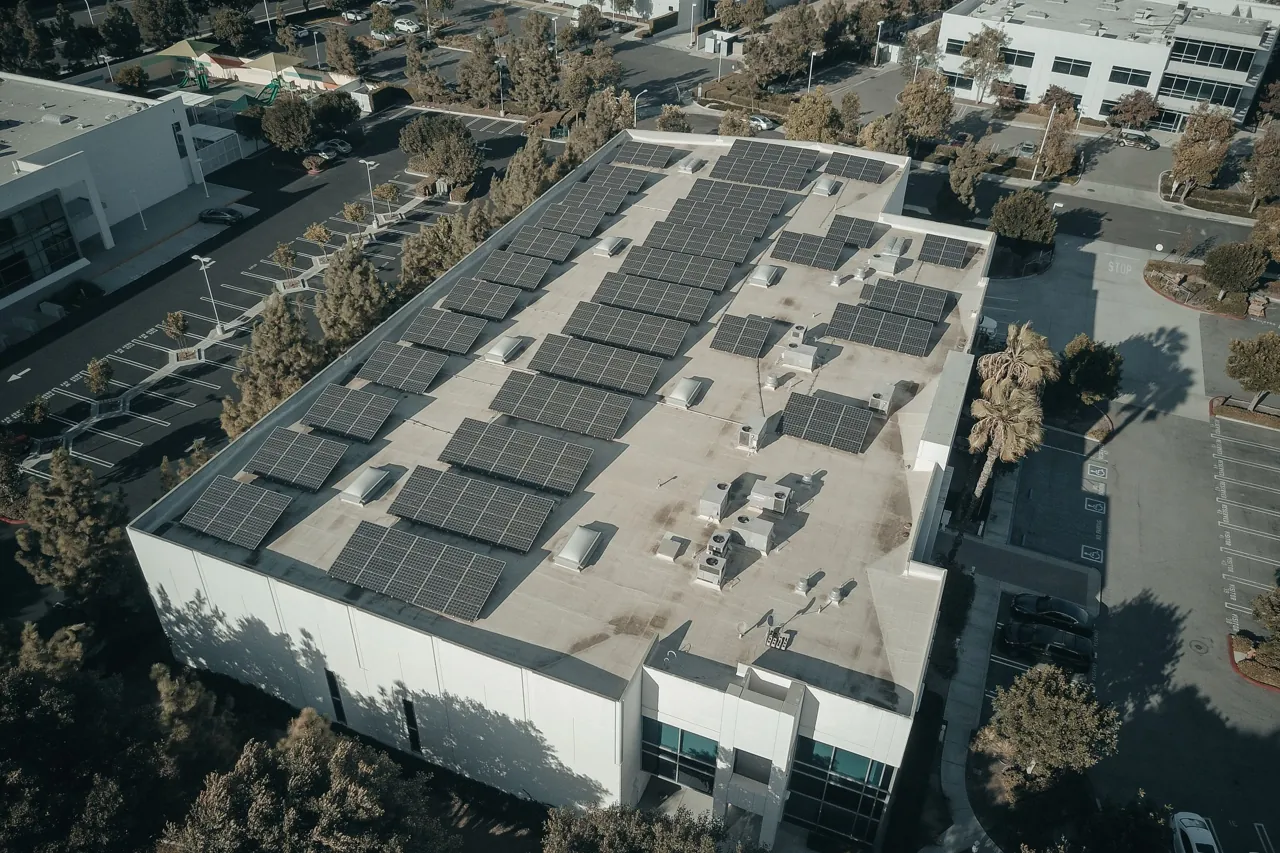
Request a fee proposalIllustrative image; not a verified Sydney location or MBA project. Photo: Kindel Media · Pexels License. Cropped/resized.
Your project, considered
Metropolitan Building Approvals helps commercial owners, developers, installers and consultant teams coordinate the building-certification questions for solar PV and commercial battery energy storage systems (BESS). The starting point is a clear system description, proposed location and supporting plans—not an assumption that every battery or solar installation follows the same approval route.
01
Commercial BESS: define the purpose and complete system
Explain how the battery will charge and operate. A system intended only to store solar-generated energy raises different planning-definition questions from equipment that also charges from the grid, participates in energy trading or operates as a separate storage facility. Marketing a product as a solar battery does not establish its statutory definition.
Provide the electrical designer’s operating description, the proposed connection and the relationship with any existing PV array or lawful site use. For grid-charged or independently operated BESS, seek a specific pathway assessment rather than assume solar-only exemption or complying provisions apply. The same equipment enclosure can be proposed for different operating purposes.
Identify the complete installation, including battery modules, inverters, controls, enclosures, associated structures and planned future expansion. Distinguish generation or power ratings in kW from stored energy in kWh, and provide the total proposed storage capacity. Dividing equipment between cabinets or stages should not be assumed to remove planning requirements.
02
Planning pathways under the Transport and Infrastructure SEPP
The State Environmental Planning Policy (Transport and Infrastructure) 2021 is a primary instrument to investigate for relevant solar-energy and solar-battery pathways in NSW. Its applicable definitions, general provisions and development standards must be read with the actual proposal, site and any other relevant controls. The Codes SEPP alone is not a sufficient assessment basis for every solar or battery project.
An exempt-development pathway may be available only where the proposal satisfies all applicable requirements. A complying-development pathway may be available for qualifying systems that satisfy the relevant prescribed standards. Where those pathways are unavailable, development consent or another applicable approval process may need consideration; non-eligibility does not establish permissibility or guarantee a DA outcome.
System purpose, installation location, capacity, land application, heritage and the extent of associated building work can affect the assessment. Solar-only storage and grid-charged BESS should not be treated as interchangeable. No definitive capacity thresholds or site-specific eligibility conclusions are provided here; these need review against the operative legislation and complete system information.
Where approval is required, obtain it before commencing the affected work. Construction Certificates and Complying Development Certificates cannot retrospectively authorise building work already carried out. Network connection acceptance, installer accreditation and incentive eligibility are separate from planning approval.
03
Internal, external and rooftop installations
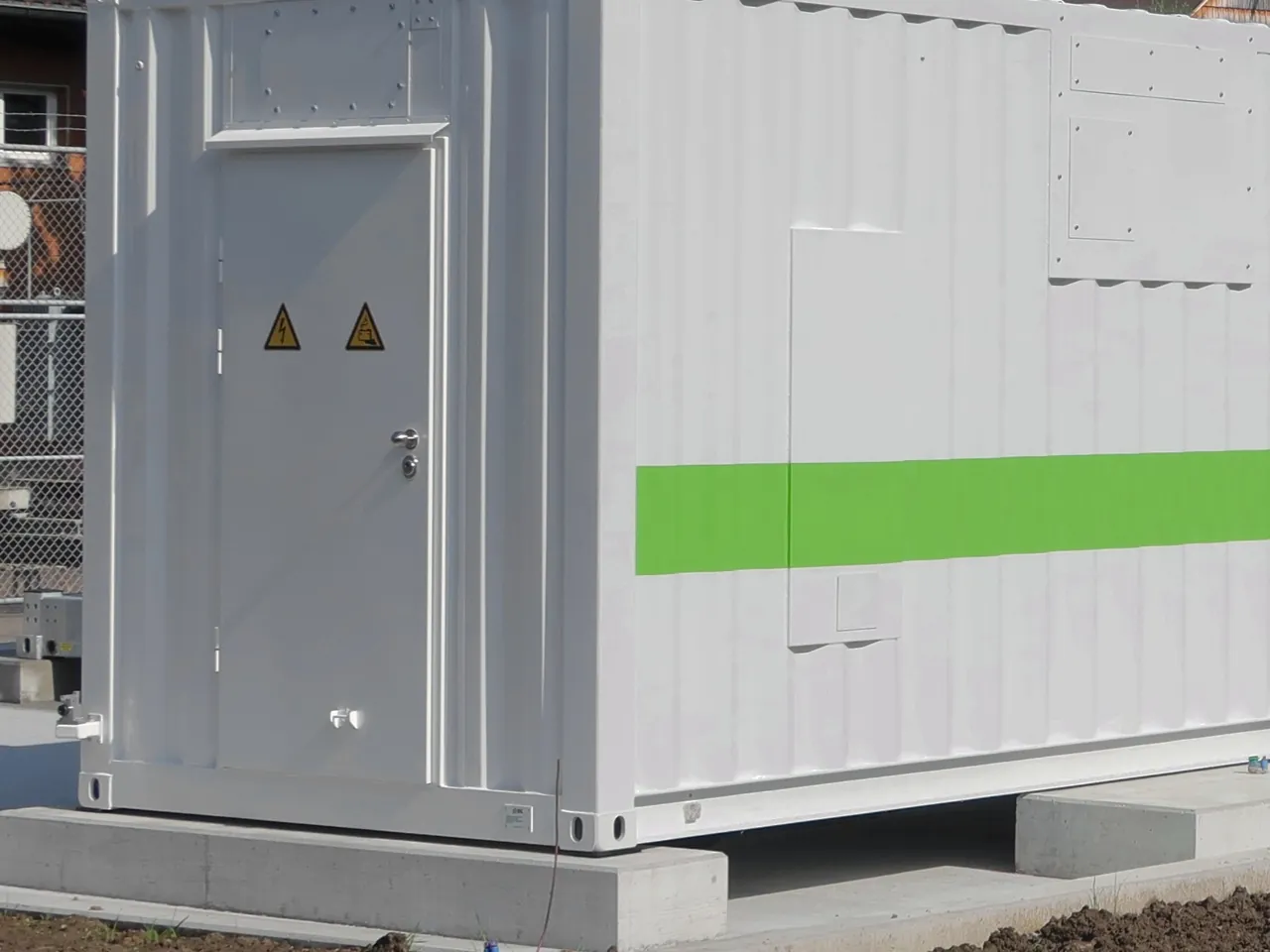

For an internal battery proposal, show the room or area, adjacent uses, accessible circulation, exits and relevant building services. Identify ventilation, protection and other design matters for the responsible electrical, fire and building consultants to assess. An available plant room or garage is not proof of a suitable battery location.
For an external cabinet, container or separate enclosure, provide a site layout showing boundaries, nearby buildings, openings, access routes and the proposed support or foundation. Consider weather exposure, drainage, impact protection and the interfaces identified by the relevant consultants. Manufacturer installation instructions form part of the information, not a substitute for statutory assessment.
Commercial rooftop PV documentation should identify the roof, panel arrangement, supports, penetrations and any affected services or access. Ground- and wall-mounted proposals have different location and structural questions. Heritage or other site constraints require their own check; do not assume one installation-location rule applies to every pathway.
04
Structure, fire safety and specialist design
The structural engineer should consider the relevant roof or supporting structure, equipment loads, fixings and wind actions for PV, and foundations or supporting floors for batteries and enclosures. Existing-building capacity may need investigation. Coordinate waterproofing, penetrations and any proposed strengthening with the building designer and responsible contractors.
For commercial BESS, identify the battery chemistry, equipment configuration and operating information needed by the fire and electrical specialists. Fire-safety design may involve the relationship with occupied areas, access and egress, adjacent openings, protection, emergency arrangements and affected existing systems. Appropriate solutions depend on the proposal; this guide does not prescribe separation distances or a universal fire-system design.
Where the system is proposed within or beside a mixed-use building, supply the whole-building interfaces rather than only the installer’s equipment drawing. Apartment, office, industrial or other occupied parts may introduce additional assessment questions. Flag shared structure, essential services and access at the outset.
05
Standards, consultant documents and responsibilities
Relevant standards may include AS/NZS 5139 for battery systems, AS/NZS 5033 for PV arrays, AS/NZS 4777.1 for grid-connected inverter installations and AS/NZS 3000 for electrical installations, depending on the scope. The responsible practitioners must establish the applicable editions, amendments, legal references and manufacturer requirements. A list of standards is not a compliance assessment.
MBA considers the agreed building-certification scope; the electrical designer, appropriately qualified installer, network provider, structural engineer and fire specialists retain their respective responsibilities. Electrical installation certification, network connection and commissioning evidence are distinct from building or planning certificates. Utility-scale storage proposals may involve different pathways and specialists; establish the service scope before assuming this guide covers them.
Provide coordinated site and equipment documents for an initial discussion. We can identify information needed for certification assessment and help the team establish the next steps. Required inspections, completion documents and occupation obligations depend on the approved work and legislation; do not assume every PV or battery installation requires an Occupation Certificate.
- Site address, existing use/approvals and relevant site constraints.
- System-purpose statement covering solar-only and any grid-charging operation.
- PV generation/power ratings, total battery storage capacity and equipment specifications.
- Internal/external/roof layouts, adjacent uses, access and associated building work.
- Relevant structural, electrical and fire-safety designs and consultant responsibilities.
- Network, installer and completion evidence as applicable to the agreed scope.
Project questions
Frequently asked questions
Does every commercial battery system qualify for CDC?
No. Purpose, site, location, complete capacity and applicable statutory standards need assessment. A product description or installer proposal does not establish eligibility.
What if the battery also charges from the grid?
Describe that operation clearly. Solar-only storage definitions and pathways should not be assumed to cover a grid-charged or independently operated BESS. Obtain a specific assessment of the proposed use and applicable provisions.
Can we install the battery inside an existing building?
Internal and external arrangements need project-specific review. Supply the room/site layout, adjacent uses, equipment specifications, structural and relevant fire/electrical information before relying on the location.
Does network approval replace planning approval?
No. Network connection, installation accreditation, electrical compliance and any incentive eligibility address different matters from the planning and building-certification pathway.
Will an Occupation Certificate be required?
The approved scope and applicable statutory requirements determine the completion and occupation obligations. Confirm the position for the actual project rather than assume the same answer applies to every installation.
Speak with MBA
Request a project-specific fee proposal
Send the address, operating purpose, equipment specifications, total storage capacity and installation plans for an early feasibility discussion. We can identify the certification documentation needed and help coordinate the assessment with your solar or BESS consultants.
General guidance only. Requirements depend on the site, proposed use and work, approvals and applicable legislation. Obtain project-specific advice before starting work or occupation.